Sample Itinerary for a two day trip
The Ypres Battlefields
For a two day trip to the Ypres Salient we recommend the group uses Eurotunnel (we of course will book this) as it is the quickest and easiest way for your coach to travel the channel. The WW1 Battlefields are around an hour and 15 minutes drive from Calais.
Day 1
We would usually have around 4 hours on the Ypres Salient before we travel to our accommodation for dinner. An example of sites we could visit are:
Poelkapelle British Cemetery
A moving place to start as it gives the group an introduction to the battlefields and what a British Cemetery looks like. It also contains the grave of the youngest British Soldier to die in the war.
Langemark German Cemetery
A stark contrast to the British War Cemeteries; we will learn why the German cemeteries look like they do and why they are so different to the British ones.
The Brooding Soldier
A powerful and moving Canadian memorial in memory of the scene of the first gas attack in the War in April, 1915.
Hooge Crater Museum
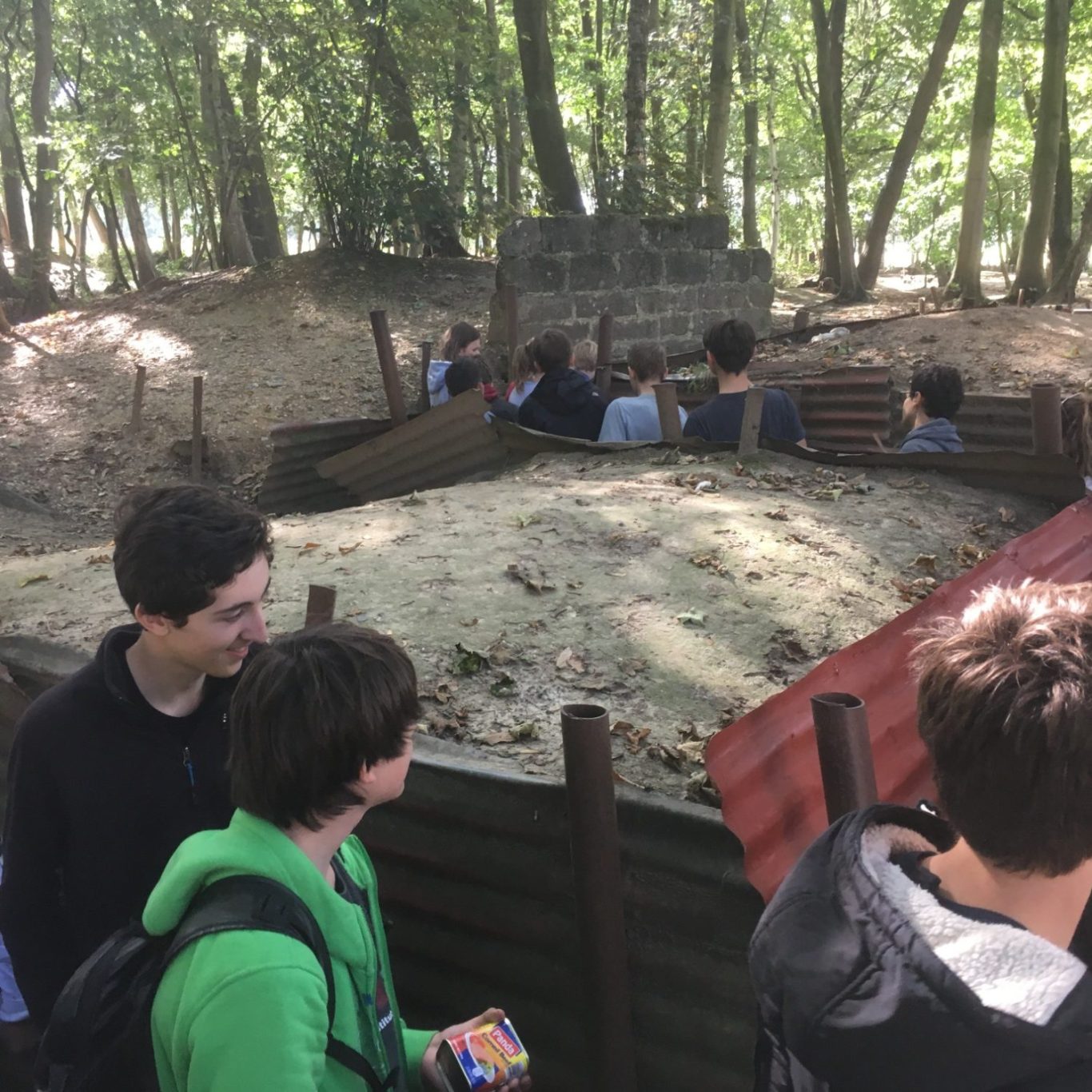
A museum full of WW1 artefacts, especially for those who are fascinated by the weaponry of the War. The site also include a reconstructed German and British trench system to visit in small groups (time permitting).
Tyne Cot British War Cemetery
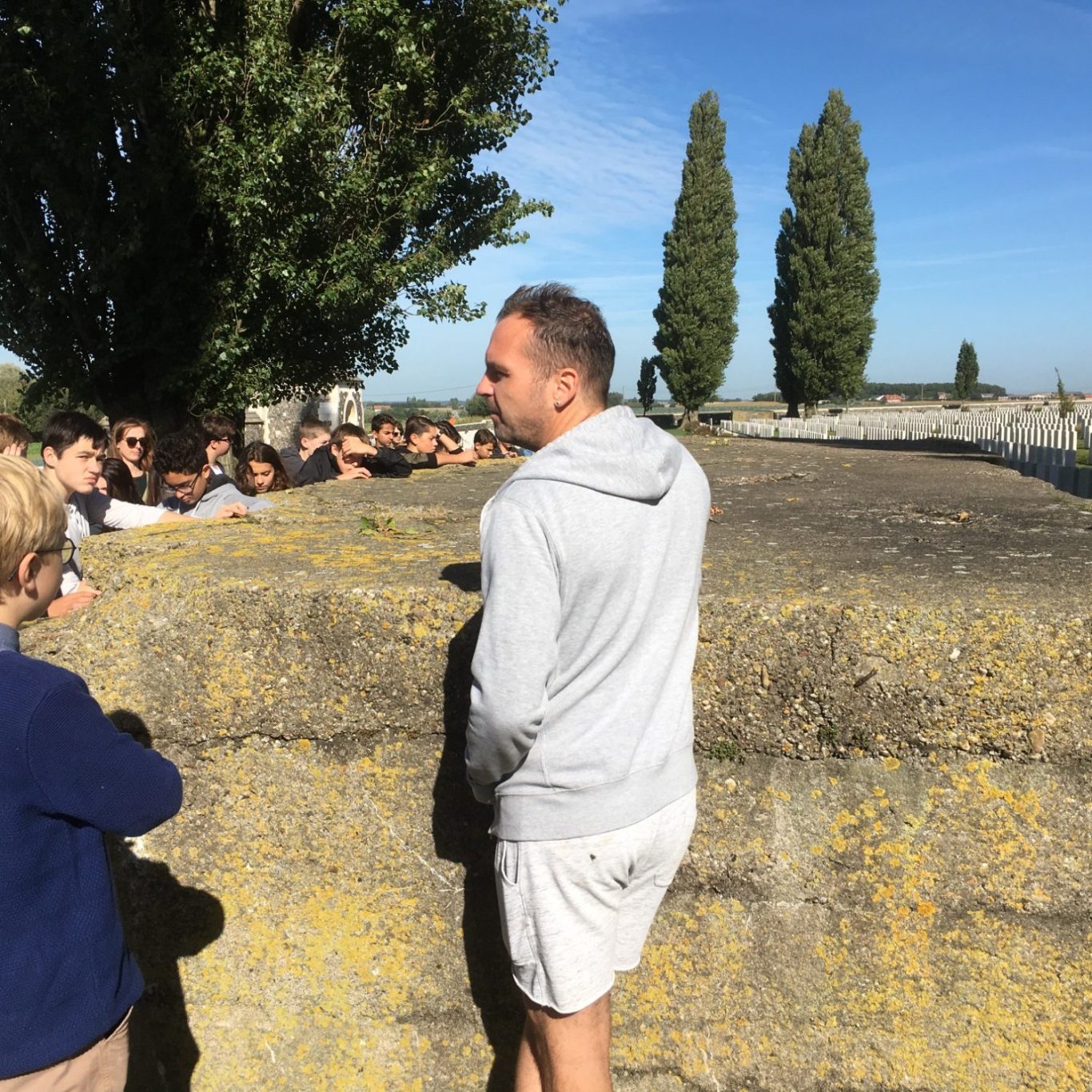
The largest British War Cemetery in the world with 11,000 graves. It is situated on part of the battlefield of one of the deadliest battles in the War, The Third Battle of Ypres (aka Passchendaele).
We normally arrive at the accommodation around 5pm to check-in and have dinner.
The Last Post Ceremony at the Menin Gate
The Menin Gate is a stunning memorial to the men who have no known grave in the Ypres Salient.
This is a must-visit. At 8pm every evening the local Frie Brigade perform a moving tribute by playing the poignant notes of the Last Post on their bugles underneath the imposing arches of the Menin Gate.
During the short ceremony wreaths are laid on the behalf of groups/individuals. We can easily arrange for your group to lay a wreath during the ceremony.
After the ceremony it is back to the accommodation for the evening.
Day 2
Sanctuary Wood Museum and Trenches
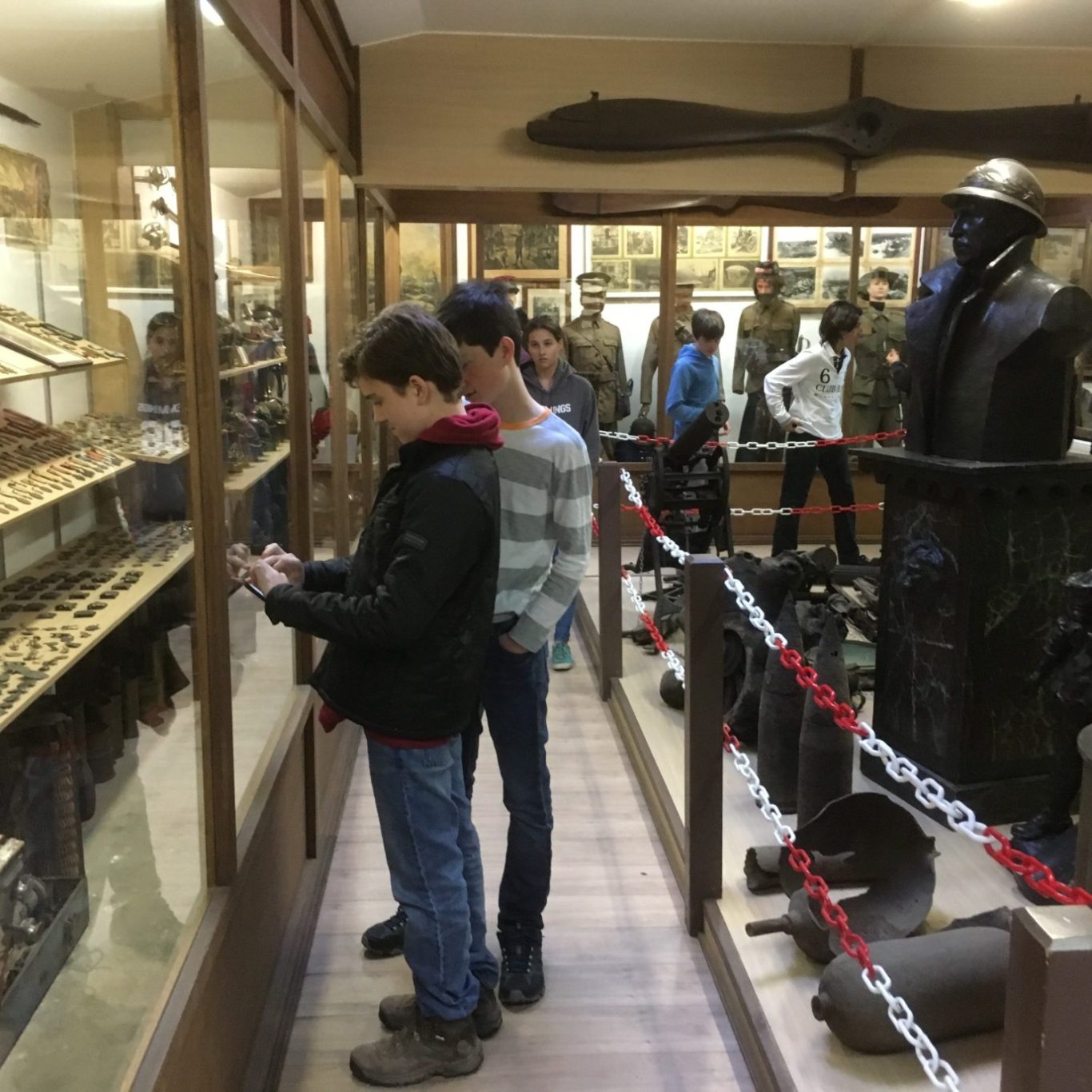
The oldest surviving WW1 museum in the area; Sanctuary Wood has an authentic and eclectic collection of memorabilia and weapons found on the site or nearby after the War. It also has part of the old British Front line trenches and tunnels that you can walk through. Be careful though, it can get muddy so wear old shoes/wellies for this experience!
The Menin Gate and Ramparts Walk
We always advise seeing the Menin Gate during the day as it is quieter and you will get to see more of it, including the wreath your group laid the night before. From there, it is a relaxing and scenicl 15-20 minute along the medieval ramparts of the city to a very intimate Ypres Ramparts British War cemetery.
Chocolate shopping
Should the group wish to (and most will of course!) you will have some time to buy some delicious Belgian chocolates in the centre of Ypres.
Coach departs Ypres.
On the way to Calais there are some good options of short visits. Here are just a couple of sites:
Essex Farm British Cemetery and Dressing Station
It was on this site in 1915 that Dr John McCrae wrote the poem “in Flanders Fields” about the death of one of his friends. The old medical dressing station is preserved here while the cemetery features the second youngest British soldier to die in the war.
Poperinge
In the pretty little Flanders town of Poperinge lies a dark secret from the War. Here are jail cells where convicted soldiers would sleep the night before their executions (usually for cowardice). There is a haunting remaining execution post in the courtyard too. Nearby, there are graves of executed soldier’s and we hear their stories of why they were executed.
This of course in an example itinerary and it can vary due to timings of our channel crossings etc.
We have a host of other sites we do visit including other museums so this is not a set menu of sites we visit.
Any itinerary we designed is always agreed by the group leader(s).
Also, if time allows we would love to make some personal visits for individuals and always encourage our groups to view the Commonwealth War Graves Commission website before their visit to search for any family members who may have died in the area during the War.
Find war dead | War graves search | CWGC